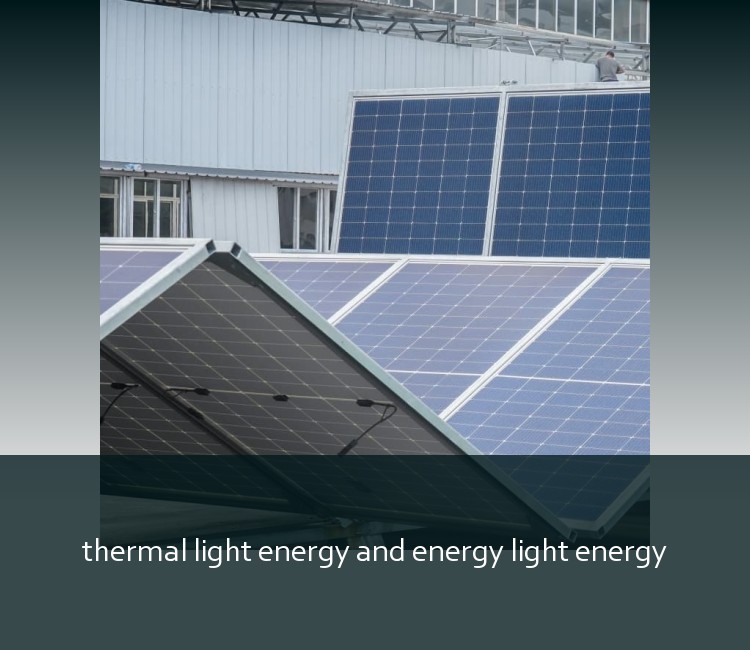
How are heat energy and light energy transferred?
Transfer Mechanisms: Both heat energy and light energy can be transferred through radiation. Heat energy is transferred through thermal radiation, while light energy is a form of electromagnetic radiation. This similarity in transfer mechanisms highlights the fundamental connection between the two forms of energy.
What is the difference between heat and light?
Heat is a form of kinetic energy contained in the random motion of the particles of a material. Light is a form of electromagnetic energy. As with other forms of energy, heat energy can be transformed into light energy and vice versa. The particles of a material vibrate or oscillate because of their kinetic energy, like masses on springs.
What is the importance of heat and light energy?
Both heat and light energy are essential for life, making modern living comfortable, efficient, and sustainable. You can follow Science Online on Youtube from this link: Science online Solar energy (Sun), Ways of heat transfer (conduction, convection & radiation)
What is light energy?
Light energy, also known as electromagnetic radiation, is a form of energy that travels in waves. It is part of the broader spectrum of electromagnetic radiation, which includes radio waves, microwaves, infrared, ultraviolet, X-rays, and gamma rays.
Can heat energy be converted into light energy?
Energy Conversion: Heat energy can be converted into light energy and vice versa. For example, when an object is heated to a high temperature, it emits light energy in the form of glowing or incandescence. Conversely, light energy can be converted into heat energy when it is absorbed by an object, causing an increase in temperature.
Is heat a transfer of energy?
First you state that heat is a subset of light, then you refer to it as energy transfer. You should be more precise and tell that light can be transferring energy, but it is not a transfer of energy.
What is the difference between light and thermal energy?
Light energy travels in photons at the speed of light, while thermal energy transfers through conduction, convection, or radiation. Light energy can be harnessed for applications like solar
Importance of the heat (thermal energy) and light
Light energy from the sun converts to heat energy that helps plants make the photosynthesis process. Heat is used in enzyme reactions, Heat plays a vital role in health care.
Different Forms of Energy in Physics and Examples » Selftution
By combustion of various fuels in the presence of oxygen, we convert chemical energy to produce heat and light energy. In a thermal power plant, we convert the chemical
How is light energy and thermal energy different?
Although light and heat are two different entities, there are a few similarities between them. As we all know, light and heat, both are the forms of energy and this energy is acquired from the sun,
Thermal, Chemical, Electrical, Light, and Sound Energy
Explore the forms of energy including thermal, chemical, electrical, light, and sound energy. Understand their definitions, applications, and significance in IB MYP Science.
What is the Difference Between Light Energy and
The key difference between light energy and heat energy is that light energy is a form of electromagnetic energy, whereas heat energy is a form of kinetic energy composed of random motion of the particles of a
Physical Science
Some of the most frequently recognized types of energy are heat and light. These, along with others, can be classified as a phenomenon known as electromagnetic radiation (EM).
24‐h Bidirectional Thermal Energy Harvesting: From Light to
Abstract Thermal energy, encompassing both heating and cooling demands, accounts for the largest share of global energy consumption. Harvesting thermal energy from the
7 Forms of Energy Flashcards | Quizlet
Study with Quizlet and memorize flashcards containing terms like What is energy?, What are examples of Energy?, What are the 7 forms of Energy? and more.
Forms of energy
Chemical energy is energy stored in the bonds of atoms and molecules. Batteries, biomass, petroleum, natural gas, and coal are examples of chemical energy. For example, chemical
Forms of Energy
Introducing Forms of Energy Energy, or the ability to cause changes in matter, can exist in many different forms. Energy can also change from one form to another. The photo above of the guitar player represents
Energy Transfers and Transformations
A plant may grow in these dunes by using light energy radiated from the sun to transform water and carbon dioxide into chemical energy, which is stored in sugar. When an animal eats the plant, it uses
Heat Energy vs. Radiant Energy
What's the Difference? Heat energy and radiant energy are both forms of energy that can be transferred from one object to another. Heat energy is the transfer of thermal energy from one
Types of Energy – Kinetic, Potential, Thermal
In this article, we will explore the key types of energy, including kinetic energy, potential energy, thermal energy, electrical energy, chemical energy, mechanical energy, and more. We will delve into their
Heat, Light, and Sound
Thermal energy always moves from matter with greater thermal energy to matter with less thermal energy, so it moves from warmer to cooler substances. Conduction is
Light Energy, Heat Energy and Electricity Energy
Light comes from natural sources like the sun, moon, and stars or artificial sources like light bulbs. Heat is a form of energy that can be produced through processes like burning, friction, or electricity. Heat travels
The Physics of Energy: What It Is and Why It Matters
Emerging technologies in energy storage, smart grids, and efficiency promise to reshape our energy landscape. Understanding energy physics equips us to meet these challenges. Conclusion: Embracing
Chapter 9.1 Energy Changes in Chemical Reactions
Figure 9.1.1 Forms of Energy (a) Thermal energy results from atomic and molecular motion; molten steel at °C has a very high thermal energy content. (b) Radiant
Forms Of Energy
Forms of Energy (Gr - 3) Lesson Objective Identify some basic forms of energy such as light, heat, sound, electrical, and mechanical. Vocabulary energy - the ability to do work or cause
Science
Study with Quizlet and memorize flashcards containing terms like * Heat Energy (Thermal) * Mechanical Energy * Light (Radiant) Energy * Electrical Energy * Sound Energy * Chemical
The Physics of Energy: What It Is and Why It Matters
Emerging technologies in energy storage, smart grids, and efficiency promise to reshape our energy landscape. Understanding energy physics equips us to meet these challenges. Conclusion: Embracing
Chapter 9.1 Energy Changes in Chemical Reactions
Figure 9.1.1 Forms of Energy (a) Thermal energy results from atomic and molecular motion; molten steel at °C has a very high thermal energy content. (b) Radiant energy (e.g., from the sun) is the
Forms Of Energy
Forms of Energy (Gr - 3) Lesson Objective Identify some basic forms of energy such as light, heat, sound, electrical, and mechanical. Vocabulary energy - the ability to do work or cause changes in matter. work - when a
Science
Study with Quizlet and memorize flashcards containing terms like * Heat Energy (Thermal) * Mechanical Energy * Light (Radiant) Energy * Electrical Energy * Sound Energy * Chemical
Light and Heat Energy | Kids Discover Online
Light comes at us as waves—waves of electric and magnetic fields. That’s why the scientific term for light waves is electromagnetic radiation. Radiation is a way of transferring energy from one
Heat, Light, and Sound: Energy Explained
Explore heat, light, and sound as energy forms. Learn about heat transfer, light properties, and sound characteristics. Middle school science resource.
Energy and Light – Astrobiology
2 Energy and Light Life needs a source of energy to thrive. This energy can come in different forms, from sunlight to energy released when chemicals react. Light is a type of pure energy, and coded into the light and other
Energy: Electricity, Heat, and Light
Energy: Electricity, Heat, and Light The properties of electricity will be discussed and demonstrated with a Tesla coil and a simple generator allowing the students to turn kinetic
FORMS OF ENERGY
Radiant energy is the energy created through electromagnetic waves, such as light, heat, or radio waves. The sun is our major source of radiant energy because it gives off a great amount of heat and light.
Understanding Light Energy: How It Powers the World
What is Light Energy? Light energy, or electromagnetic radiation, is a dynamic form of energy that enables visibility and powers numerous natural and technological processes. As a type of kinetic
Light Energy vs. Sound Energy
In conclusion, light energy and sound energy are two distinct forms of energy that differ in their nature, propagation, and interaction with matter. Light energy is a form of electromagnetic
Thermal energy
Thermal radiation in visible light can be seen on this hot metalwork, due to blackbody radiation. The term " thermal energy " is often used ambiguously in physics and engineering. [1] It can
Discussion & Message Board
Comments saved locally (demo). Replace with server endpoint for production.